A Box of Rain Will Ease the Pain
While I'd been using the Internet since the early 1980s in my student job at Lawrence Berkeley Lab, the first time I remember using the worldwide web was in the mid 1990s. Well, August 9th, 1995, to be more specific.
I'd recently moved to Paris and heard about this layer atop the Internet that relied on hypertext transfer protocol to connect web browsers and web sites. Having seen what Apple had done with hypertext up that point, I wasn't prepared to be impressed. So I fired up a browser and, to reconnect with home, I went to sfexaminer.com. The headline read:

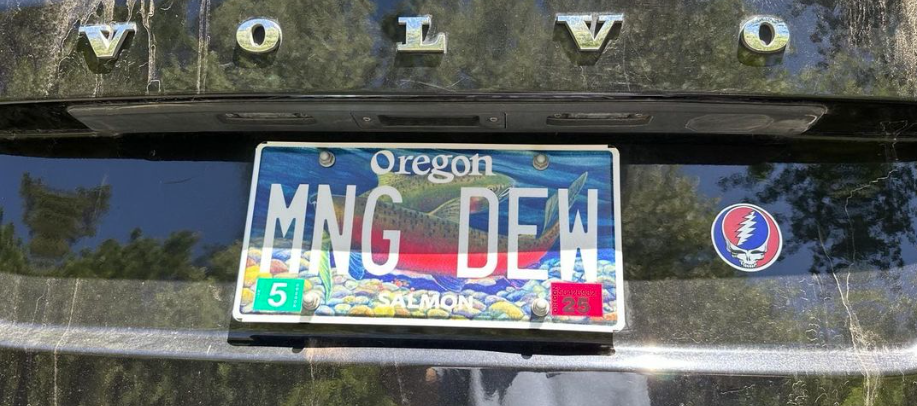
"God, I hate this thing!" As an inveterate deadhead, the news was devastating if not entirely surprising. The episode set my web adoption back by a few years. While I won't dive into my history following the band, I'll show you the back of the car that we keep at our house in Oregon. (Morning Dew.)
Four years earlier, we'd lost the power in our Marin County home the night Bill Graham died in a helicopter crash west of Vallejo. If I was connected to Graham's death via a power line, I was connected to Garcia's via the web.
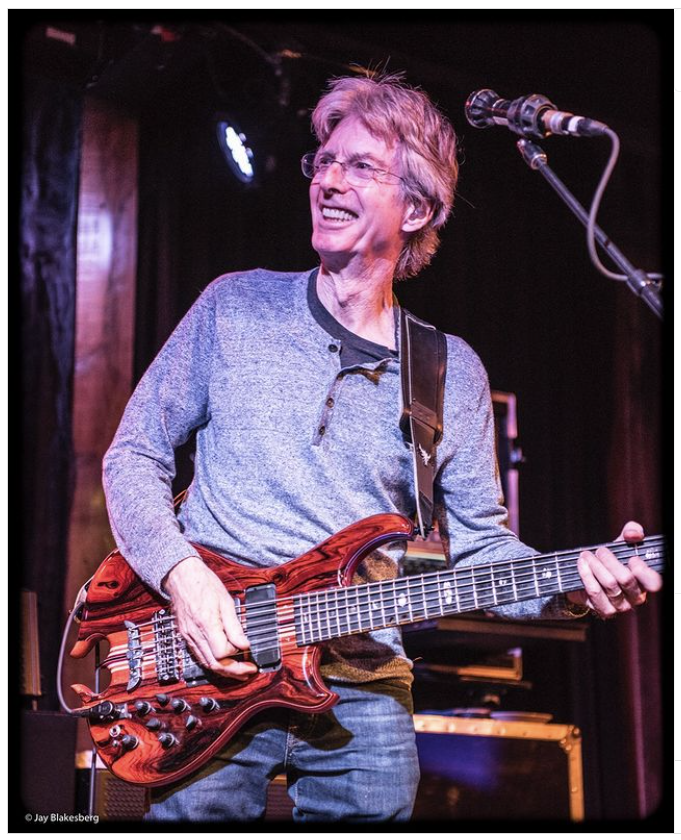
An SMS message connected me to last Friday's death of Phil Lesh. Sent by a friend from so long ago that my phone no longer recognized his number, the news arrived as anonymous text message, containing only a link to the story.
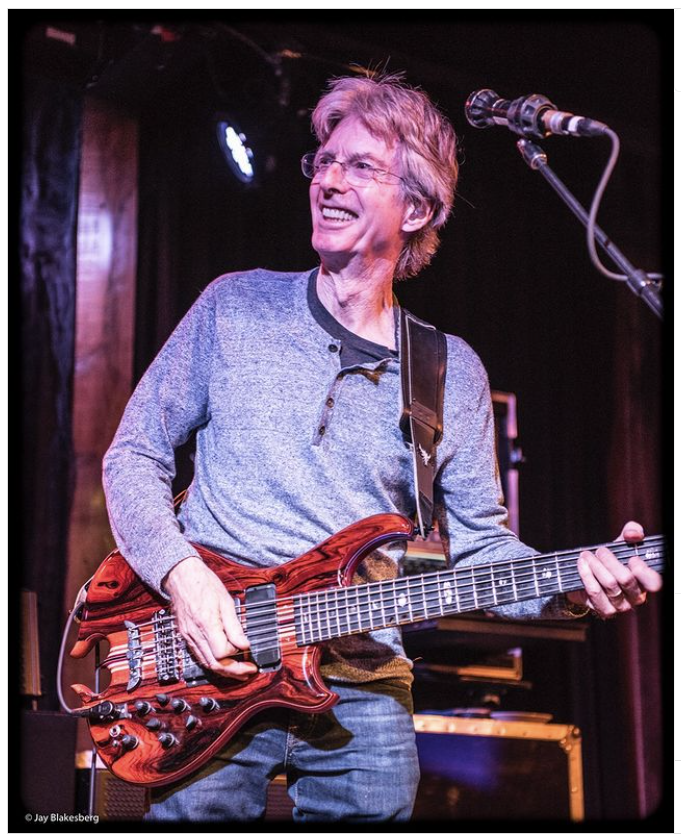
I've written before (and as recently as three weeks ago) about business lessons from the Dead, so I won't cover that again. Instead, as my tribute to Phil, I'll write briefly about the power of metaphor using one of the relatively few Dead songs he wrote: Box of Rain. It's also one of my favorites.
The song deals with Lesh's feelings during the lingering, terminal illness faced by his father. Grateful Dead lyricist Robert Hunter worked with Lesh on the lyrics, and they are some of Hunter's finest.
You can hear the frustration and impotence in battling illness via lines like:
"What do you you want me to do, to do for you, to see you through?"
The power and beauty of the song, however, comes from the primary metaphor: the box of rain.
"Just a box of rain, wind, and water. Believe it if you need it, if you don't just pass it on."
But what is this box of rain? It's a metaphor. In fact, it's a metaphor within a metaphor.
Hunter was thinking along the lines of a "ball of rain," but that was probably both too obvious and insufficiently poetic. So the ball became a box. (Hence, the inner metaphor.)
So what is this ball of rain, wind, and water?
It depends on perspective, and in this case you're going to need a wide one. Seen from far enough away, that ball of rain is our home. The earth.
"It's just a box of rain, I don't know who put it there. Believe it if you need it, and leave it if you dare."
Once you understand the metaphor, that's pretty literal.
"And it's just a box of rain, or a ribbon for your hair."
Hunter loved to write about certain things, such as calliopes and ribbons. While hard to interpret, I think this line is another metaphor. What do ribbons do for hair? Make it more beautiful. What does the box of rain do for the universe? The same thing. The earth is just a ribbon in the hair of the universe.
It adds a sense of utter smallness, rivaled only by how Tralfamadore used the earth in The Sirens of Titan.
(I feel obliged to say that Hunter hated to interpret his lyrics, maintaining that it wasn't about what the words meant to him: it was about what they meant to you. He didn't want his meaning to ruin your meaning. At first, the puzzle-solver in me found this offensive, but over time I've come to realize that it's actually pretty cool.)
Now we're ready for the last line.
"Such a long, long time to be gone and a short time to be there."
There, of course, being here. On our box of rain. In this life. On this earth.
Thank you Phil for always putting the music first, the culture, and the reminder. May we all spend our time here as well as you spent yours.